


Quick Overview: How to Use Your Mouse Properly
Using your computer mouse the right way prevents pain, strain, and long-term injuries. Most people don’t think about their mouse posture, but small changes make a big difference. Use this checklist to guide your setup:
- Keep a neutral wrist position and avoid bending sideways
- Choose a grip style that matches your hand size and task
- Use your arm for movement instead of only your wrist
- Adjust desk height and arm support for better posture
- Take regular breaks and stretch your hands and fingers
A well-positioned mouse and healthy habits reduce fatigue and make everyday computer use more comfortable.
With our mouse sizing guide, you’ll measure your hand, enter that number into our generator, and we’ll find the perfect mouse for you!
Shop Ergonomic Mice



Most people don’t give much thought to how they hold a computer mouse, but the truth is that small habits make a big difference. Using a mouse incorrectly can cause wrist pain, finger fatigue, and even conditions like carpal tunnel syndrome over time. A proper grip and posture help keep your hands relaxed, reduce stress on your joints, and make work more comfortable. When you know how to use your mouse correctly, you’ll notice fewer aches and more productivity during long workdays. Even simple changes like adjusting your wrist position or taking regular breaks can prevent discomfort and improve your overall experience.
Understanding Grip Styles
 Not all mouse users hold their mouse the same way. In fact, there are three main grip styles: palm grip, claw grip, and fingertip grip. Each comes with unique pros and cons, and the best choice often depends on the size of your hand, the mouse you use, and the task at hand. The palm grip is the most common because it allows your entire palm and fingers to rest on the mouse, offering maximum stability and comfort. The claw grip lifts the palm slightly, giving you faster reaction time and more precise control, while the fingertip grip places only your fingertips on the mouse, which makes it easier to move quickly but requires more finger strength. Trying each style is the best way to discover which feels natural and reduces strain — this in-depth guide to mouse grip styles explains the differences with visuals.
Mastering the Claw Grip
The claw grip deserves special mention because it’s widely used by gamers and professionals who need quick, precise movements. To form the claw grip, your fingertips curve over the buttons while the heel of your palm touches the back of the mouse. This allows fast clicking and good wrist mobility, making it a versatile choice for tasks that require speed. The key is to avoid bending your wrist too much; instead, keep it neutral and use your forearm to move the mouse around. Practicing with this grip style on different types of mice, including ergonomic mice models like vertical or trackball mice, can help reduce tension and prevent injuries. Over time, you’ll build muscle memory, making the claw grip both comfortable and efficient for extended use.
Alternative Grip Options
While the claw grip has advantages, it’s not for everyone. The palm grip remains the most comfortable for users who want full-hand support and less strain on their fingers. By resting your entire hand on the mouse, the palm grip encourages a relaxed posture that works well for long office hours. On the other hand, the fingertip grip is ideal if you need agility and quick reactions, but it may lead to finger fatigue if used for hours without breaks. Beyond traditional grips, alternative options like vertical mice or trackball mice can completely change how you interact with your computer. These designs shift movement away from the wrist and spread it across larger muscles, helping to reduce repetitive stress injuries. Experimenting with different styles allows you to find what feels best for your body.
Choosing the Right Mouse
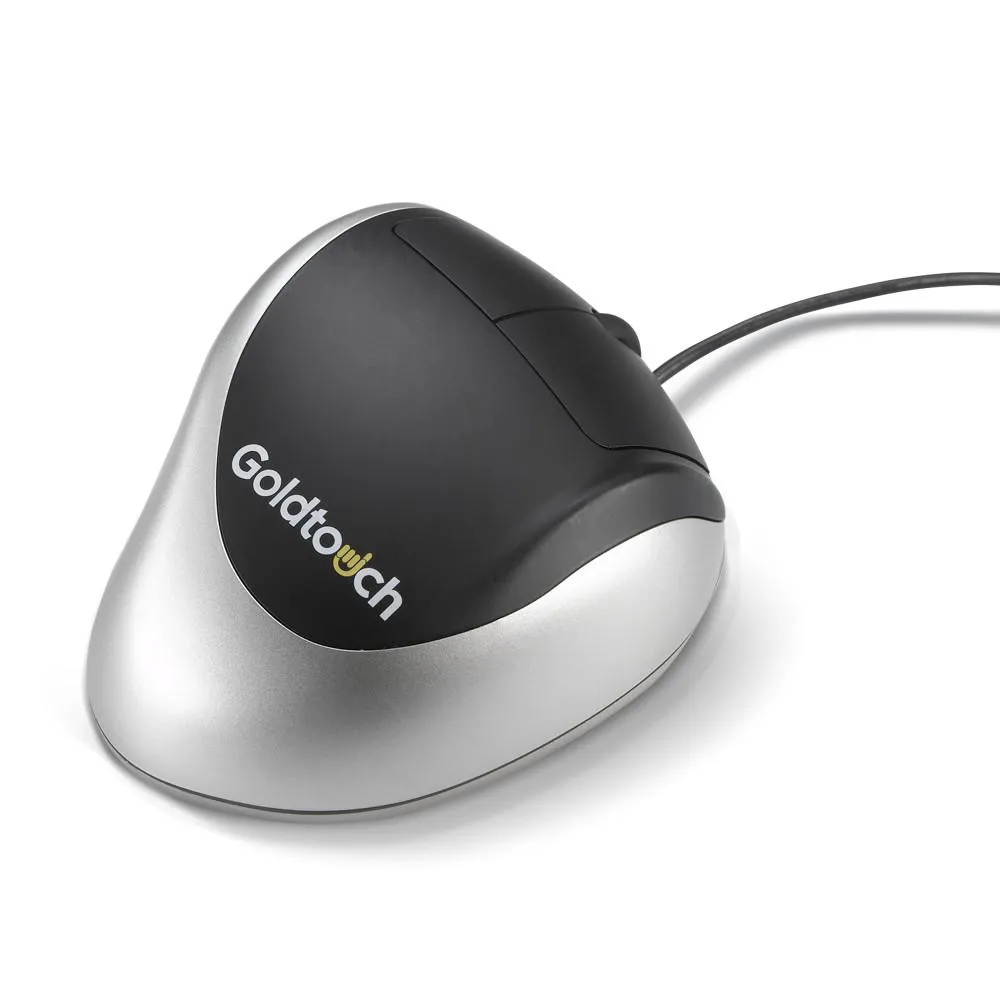
 Even if you use the perfect grip, the wrong mouse can undo your efforts. Choosing a mouse that fits your hand size and grip style is crucial for long-term comfort. A mouse that’s too small forces your hand into awkward positions, while one that’s too large can make it difficult to move smoothly. Ergonomic designs, such as vertical mice, encourage a handshake-style position that keeps your wrist straight, while trackball mice let your fingers control movement instead of your arm. It’s also important to consider features like the scroll wheel, side buttons, and adjustable sensitivity, which all affect ease of use. If you’re searching for the best computer mouse for your setup, pay close attention to size, shape, and features that match your workflow.
Common Mistakes to Avoid
Even experienced computer users fall into habits that cause strain over time. One common mistake is gripping the mouse too tightly, which puts unnecessary pressure on the wrist and fingers. Another is resting the wrist heavily on the desk, creating constant pressure points that can lead to pain. Many people also click with more force than needed, which may not feel harmful at first but adds up after thousands of repetitions each day. Keeping your hand on the mouse constantly is another trap — try to take breaks and rely on keyboard shortcuts to reduce repetitive movements. For more tips on healthier usage, see these ergonomic mouse benefits that explain why the right design can reduce discomfort and protect your hands.
How to Hold and Move Your Mouse Correctly
Holding a mouse properly means keeping your grip light and your wrist straight. Your fingers should rest gently on the buttons without pressing too hard, while your thumb provides stability along the side. Instead of moving the mouse only with your wrist, engage your entire arm for larger motions, which reduces localized stress. Keep the mouse close to your keyboard so you don’t have to stretch your arm to reach it. These small adjustments add up to better posture, smoother movements, and less fatigue after long hours at the computer.
Desk and Chair Setup for Better Mouse Use
The way you sit at your desk also plays a big role in mouse comfort. Your chair should support your arms so that your elbows are bent at about 90 degrees, with your shoulders relaxed. The mouse should be at the same height as your keyboard, ideally on a level surface that doesn’t force your wrist upward. If you notice your wrist bending down toward the desk, consider using a mouse pad with a wrist rest to keep it neutral. For more detailed advice on posture and positioning, take a look at these office ergonomics recommendations from health experts.
Tips for Reducing Strain
 Using your mouse properly isn’t just about grip and posture — it’s also about balance and recovery. Take short breaks every hour to stretch your fingers, roll your wrists, and shake out any tension. Adjusting your mouse’s sensitivity (DPI) can reduce how far you need to move it, which saves effort during long sessions. Alternate between using the mouse and keyboard shortcuts to minimize repetitive movements. If you start feeling pain or discomfort, don’t ignore it — small warning signs often come before bigger problems. For preventive ideas, these hand and wrist exercises can help relieve tension and keep your joints flexible.
Maintenance and Cleaning
Keeping your mouse clean is just as important as holding it correctly. Dust, oils, and debris can interfere with smooth movement and make buttons less responsive over time. A simple routine of wiping it down and clearing the sensor can go a long way toward keeping it in top condition. If you’re not sure where to start, here’s a quick guide on how to clean your computer mouse safely without damaging the parts. Clean equipment doesn’t just last longer — it also makes daily use more comfortable.
Conclusion
Learning how to hold a computer mouse properly is one of those small but powerful changes that improve both comfort and productivity. By experimenting with grip styles, choosing the right mouse, and maintaining good posture, you can prevent strain and avoid injuries like carpal tunnel syndrome. Mistakes like gripping too tightly, clicking too hard, or keeping your hand on the mouse all the time can be corrected with small adjustments. Ergonomic alternatives, desk setup changes, and regular breaks round out the strategy for safe mouse use. With the right approach, using your mouse becomes effortless, comfortable, and sustainable for years to come.


